Zhao TianXin
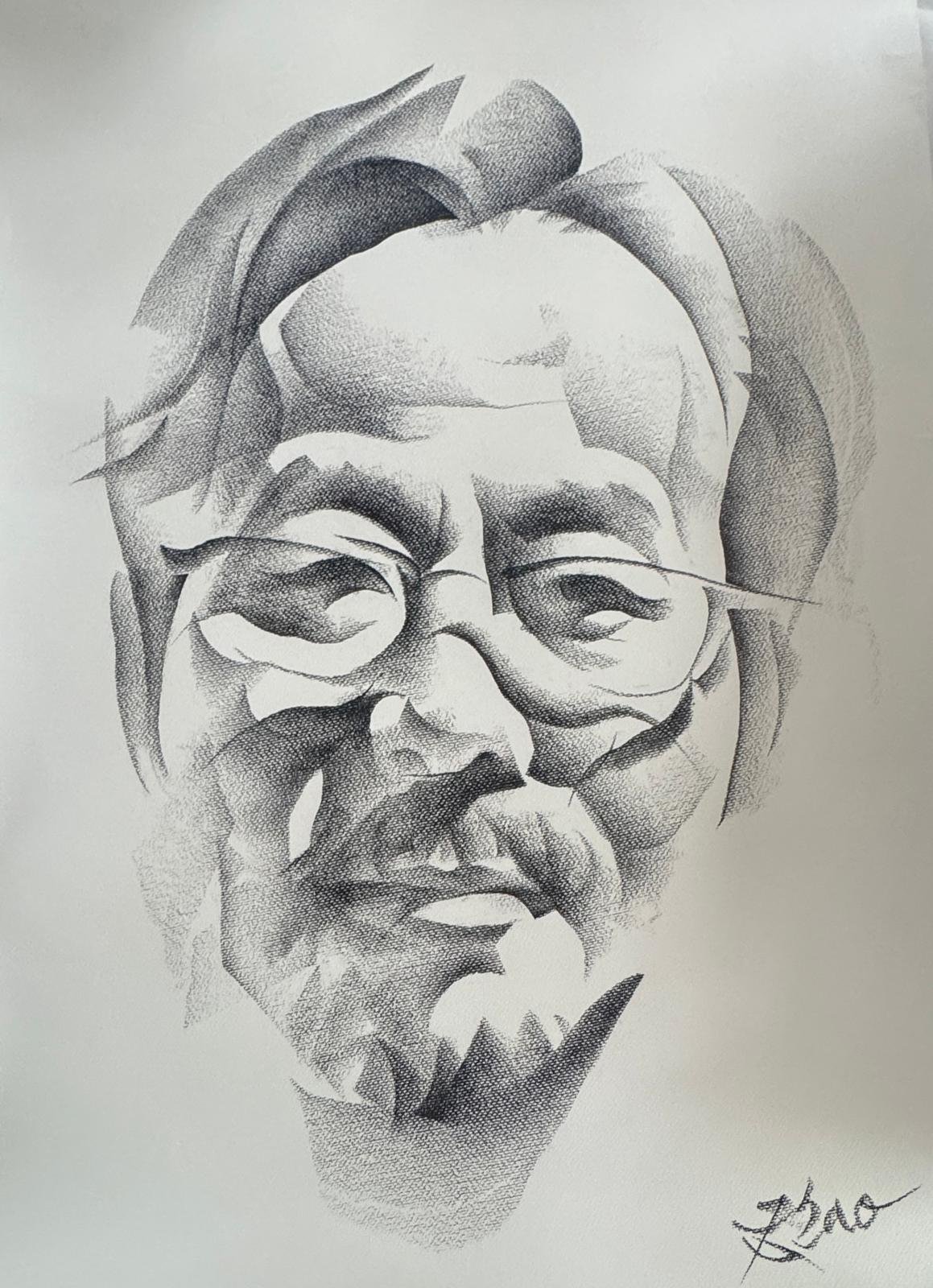
趙天新 1968 年生於山東,早年畢業於中央工藝美術學院(現清華大學美術學院)。這段求學經歷對他影響深遠,使他在繼承傳統繪畫寫實技巧的同時,兼具了工藝美院嚴謹的裝飾美學與現代構成眼光。他曾於美國長期生活與創作。這段跨文化的經歷使其跳脫出純粹的寫實技術,開始研究當代西方的視覺審美成果,並將其與中國古典美術理論結合。
趙天新的藝術核心在於其「隱藏在極致寫實下的爆發力」。雖然他以細膩的人物畫著稱,但真正令資深藏家折服的是他那種爽快、富有節奏感的筆觸與張力。
不同於一般寫實畫家的瑣碎刻畫,趙天新的每一筆都顯得極其果斷且到位。這種「爽快」源於他對形體結構的絕對自信——在處理人物邊緣與轉折處時,筆觸帶有一種如書法般的節奏感,既保留了油畫材質的黏稠度,又精準捕捉了光影的瞬間躍動。
他擅長利用大面積的色塊與人物肌理形成對比,在靜謐的人物神態背後,隱藏著一種呼之欲出的情感張力。這種功力使畫面不僅是「像」,更擁有一種震懾人心的生命氣息,展現出其在中央工藝美院時期奠定的嚴謹結構與旅美期間磨礪出的當代視覺力度。
底蘊深厚的視覺節奏: 觀看其原作時,可以發現他對細部的處理充滿了層次與韻律。這種準確而有力的節奏感,讓他的作品在視覺上既有古典油畫的沉穩,又不失現代藝術的靈動。
Zhao TianXin was born in Shandong in 1968 and graduated early from the Central Academy of Arts and Crafts (now the Academy of Arts & Design at Tsinghua University). This educational background profoundly shaped him, enabling him to inherit traditional realistic painting techniques while also embracing the rigorous decorative aesthetics and modern compositional vision cultivated at the Academy of Arts and Crafts. He lived and worked in the United States for an extended period. This cross-cultural experience allowed him to transcend purely realistic techniques, prompting him to explore contemporary Western visual aesthetics and integrate them with classical Chinese art theory.
The core of Zhao TianXin's art lies in its “explosive power concealed beneath extreme realism.” While renowned for his meticulous figure paintings, what truly captivates seasoned collectors is his bold, rhythmic brushwork and dynamic tension.
Unlike the meticulous detailing typical of realist painters, every stroke by Zhao TianXin appears exceptionally decisive and precise. This “crispness” stems from his absolute confidence in form and structure—when handling edges and transitions in figures, his brushwork carries a calligraphic rhythm that preserves the viscous quality of oil paint while precisely capturing the fleeting movement of light and shadow.
He excels at contrasting expansive color blocks with the texture of human skin, concealing an almost palpable emotional tension beneath serene expressions. This mastery ensures his paintings are not merely “likenesses” but possess a compelling vitality, reflecting both the rigorous structure honed during his time at the Central Academy of Fine Arts and the contemporary visual power refined during his years in the United States.
Deeply rooted visual rhythm: Viewing his originals reveals a layered, rhythmic treatment of detail. This precise, powerful sense of rhythm imbues his work with the visual steadiness of classical oil painting while retaining the agility of modern art.