Sui JianGuo
隋建國 1956年生於山東,在國際上具廣泛知名度的中國當代藝術家,被評論家譽為「在觀念主義方向上走得最早也最遠的中國雕塑家」。隋建國在藝術探索中對創作觀念、作品形式、媒材選擇、處理方法、時空經驗等多個面向都有獨特的理解與認知。他的雕塑將觀念與形式巧妙地結合在一起,作品多以大的尺度感給人以感官上的衝擊力且具有明顯的知識分子氣質,流露出嚴肅的社會批判立場和人文道德指向。此外他的創作也涉及影像、公共行為等領域。
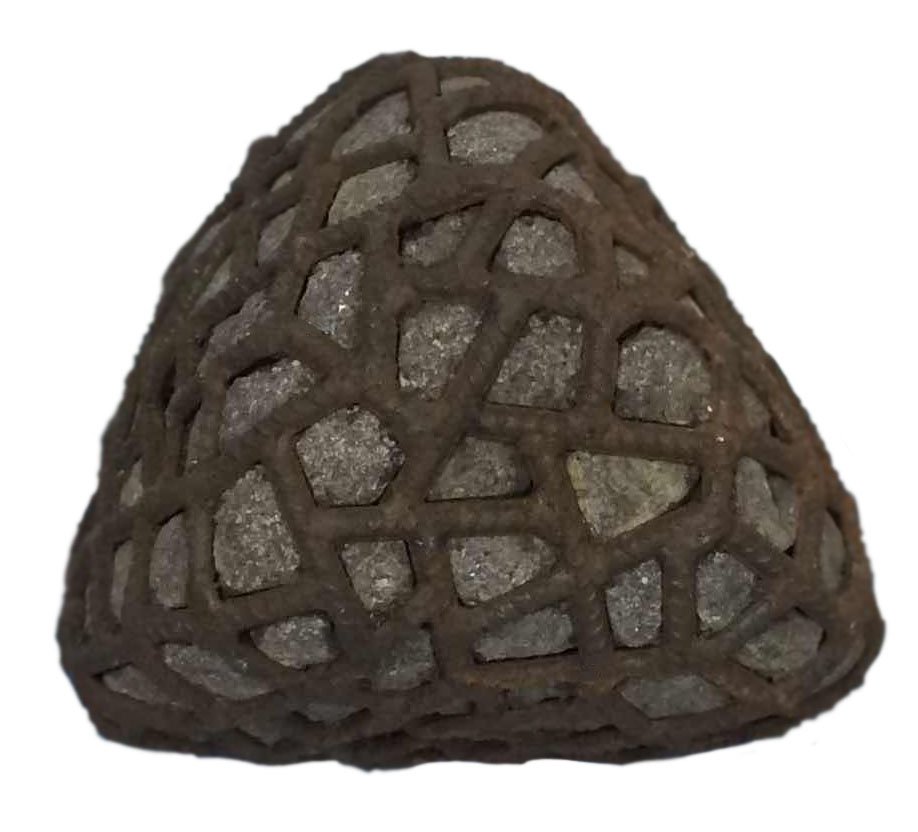
展出作品《地罣》是隋建國早期(1990-1994)的標誌性系列作品,且是其“材料觀念主義時期的代表作之一,在國際學術和藝術評論中具備一定認知度。藝術家刻意選擇了工業的、冰冷的鋼筋和原始的、堅硬的岩石兩種材料,讓它們形成強烈的視覺與情感衝突。這種“禁錮”與“對抗”正是1990年代初期個人內心與外部環境緊張關係的關鍵意象。
隋建國極具挑釁性的雕塑實踐探討了現代中國的集體心理和政治變革。無論是早期象徵主義作品如《地罣》(1990-1994),或是後期系列作品如《傳承》(1997-2005)和《中國製造》(1995-2005)中較為古典的形式,對中國歷史脈絡和文化傳播管道的洞察,都成為他藝術實踐中解決問題的重要方法。
Sui JianGuo, born in Shandong in 1956, is a widely recognized contemporary Chinese artist internationally. Critics hail him as “the Chinese sculptor who ventured earliest and furthest into conceptualism.” In his artistic exploration, Sui possesses unique insights and understanding across multiple dimensions: creative concepts, formal expression, material selection, treatment methods, and temporal-spatial experience. His sculptures ingeniously fuse concept and form, often employing large-scale dimensions to deliver sensory impact while radiating an intellectual aura. They convey a serious stance of social critique and humanistic moral orientation. Additionally, his practice extends into video art and public performance.
The exhibited work, “Earthly Force,” belongs to Sui JianGuo's iconic early series (1990-1994) and stands as a representative piece from his “Material Conceptualism” period, recognized within international academic and art criticism circles. The artist deliberately selected two contrasting materials—industrial, cold steel reinforcement bars and raw, hard rock—to create a powerful visual and emotional conflict. This “confinement” and “resistance” embody the pivotal imagery of the tense relationship between the individual psyche and external circumstances in the early 1990s.
Sui JianGuo's provocative sculptural practice explores the collective psyche and political transformations of modern China. Whether in his early symbolic works like “Earthly Force” (1990-1994) or the more classical forms of later series such as ‘Inheritance’ (1997-2005) and “Made in China” (1995-2005), insights into China's historical context and cultural transmission channels have become crucial problem-solving methods in his artistic practice.