Ma TseLin
馬澤霖 1960年生於廣東,是活躍於國際當代藝術舞台的著名旅法藝術家。他畢業於廣州美術學院,1985年赴法深造,是早期成功進入歐洲主流藝術體系的華人先鋒之一。
馬澤霖被視為當代「墨靈佛國」美學的開創者。他曾多次受邀於法國參議院、盧森堡公園及重要博物館舉辦個展。他長期在中法兩地從事藝術實驗,以「佛」為核心符號,探討生命、災難與精神價值的世界性課題,在跨文化藝術對話中具有獨特的影響力。
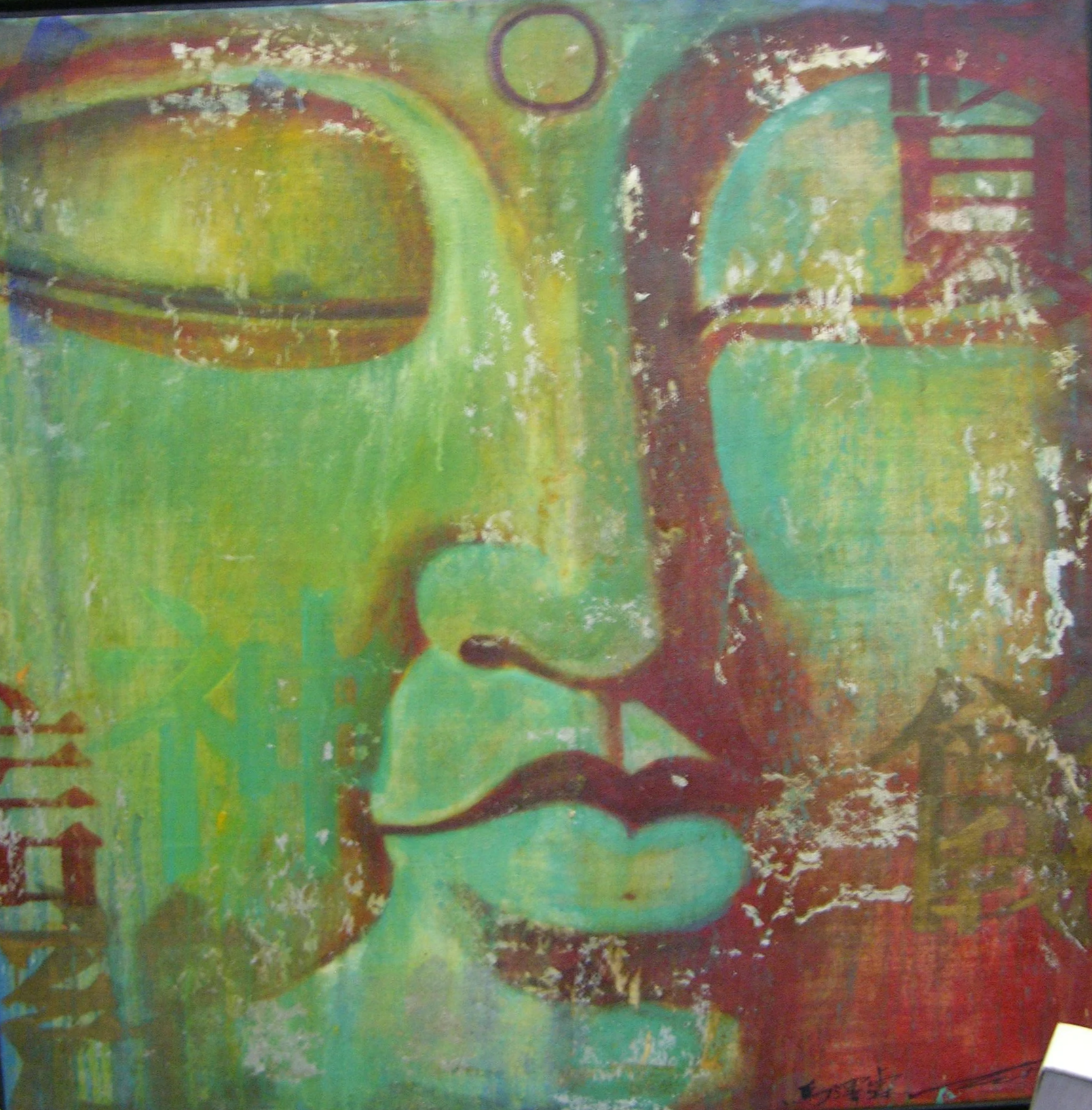
馬澤霖巧妙地將中國傳統水墨的寫意與西方油畫的豐富肌理結合。畫面常呈現出一種「似畫非畫、似塑非塑」的立體質感。
他筆下的佛像往往模糊了具體的五官細節,轉而強調「佛」的精神色相。他常用粗獷的背景質感(如水泥、沙土質感)與溫潤的佛像線條對比,展現出一種超脫塵世的寂靜美感。
其近期作品(如《祭靈日記》)將佛像置於新冠疫情等全球性災難背景下,使傳統宗教圖像轉化為對現代生命價值的深刻詰問。
他的作品被上海美術館、台北當代藝術館、法國及美國多家博物館收藏,擁有穩固的國際館藏背書。作品主要在倫敦、香港及德國拍賣場流通。其作品因具備「當代佛系藝術」的稀缺性,深受亞太地區及歐美私人藏家青睞,是具有長線學術價值的當代藝術精品。
Ma TseLin, born in Guangdong in 1960, is a renowned French-based artist active on the international contemporary art scene. A graduate of the Guangzhou Academy of Fine Arts, he traveled to France in 1985 for further studies, becoming one of the pioneering Chinese artists who successfully entered the mainstream European art system early on.
Ma TseLin is regarded as the founder of the contemporary “Ink Spirit Buddhist Realm” aesthetic. He has been invited multiple times to hold solo exhibitions at the French Senate, Luxembourg Gardens, and major museums. Long engaged in artistic experimentation across China and France, he uses “Buddha” as a core symbol to explore universal themes of life, catastrophe, and spiritual values, wielding unique influence in cross-cultural artistic dialogue.
Ma TseLin masterfully blends the freehand brushwork of traditional Chinese ink painting with the rich textures of Western oil painting. His compositions often exhibit a three-dimensional quality that is “neither painting nor sculpture.”
His depictions of Buddha figures frequently obscure specific facial features, instead emphasizing the spiritual aura of the “Buddha.” He frequently contrasts rugged background textures (such as cement or sandy surfaces) with the smooth contours of his Buddhist figures, evoking a transcendent, otherworldly tranquility.
Recent works like “Diary of the Spirit” place Buddhist imagery against the backdrop of global catastrophes like the COVID-19 pandemic, transforming traditional religious motifs into profound interrogations of modern existential values.
His works are held in the collections of the Shanghai Art Museum, Taipei Museum of Contemporary Art, and numerous museums in France and the United States, securing robust international institutional endorsement. His pieces primarily circulate through auction houses in London, Hong Kong, and Germany. Possessing the rarity of “contemporary Buddhist-inspired art,” his works are highly sought after by private collectors across Asia-Pacific, Europe, and America, representing contemporary art masterpieces with enduring academic value.